Imagine one of your most experienced engineers tells you they're retiring in six months.
They've been with the business for thirty years. They know the old equipment. The unusual faults. The customers. The modifications nobody documented. The machines everybody else avoids.
So you ask the obvious question.
"Can we document everything you know before you leave?"
There's just one problem. Where do they start?
Thirty years of engineering experience doesn't exist as a neat list of facts waiting to be written down. Much of it has become instinctive.
Ask an experienced engineer how they diagnosed a difficult fault and they might simply say: "I've seen it before." Or: "I just knew where to look."
That's precisely the knowledge you need to preserve. And it's probably the hardest knowledge to capture.
Don't Ask Them to Write a Manual
I've spent years around experienced engineers, and I don't believe the answer is asking them to sit in an office and write down everything they know.
Apart from being an enormous task, there's a more fundamental problem. Experienced people often don't realise how much they know. Something that took twenty years to learn can eventually feel obvious. They've forgotten what it was like not to know it.
Ask: "What do you know about this machine?" And you might get a page.
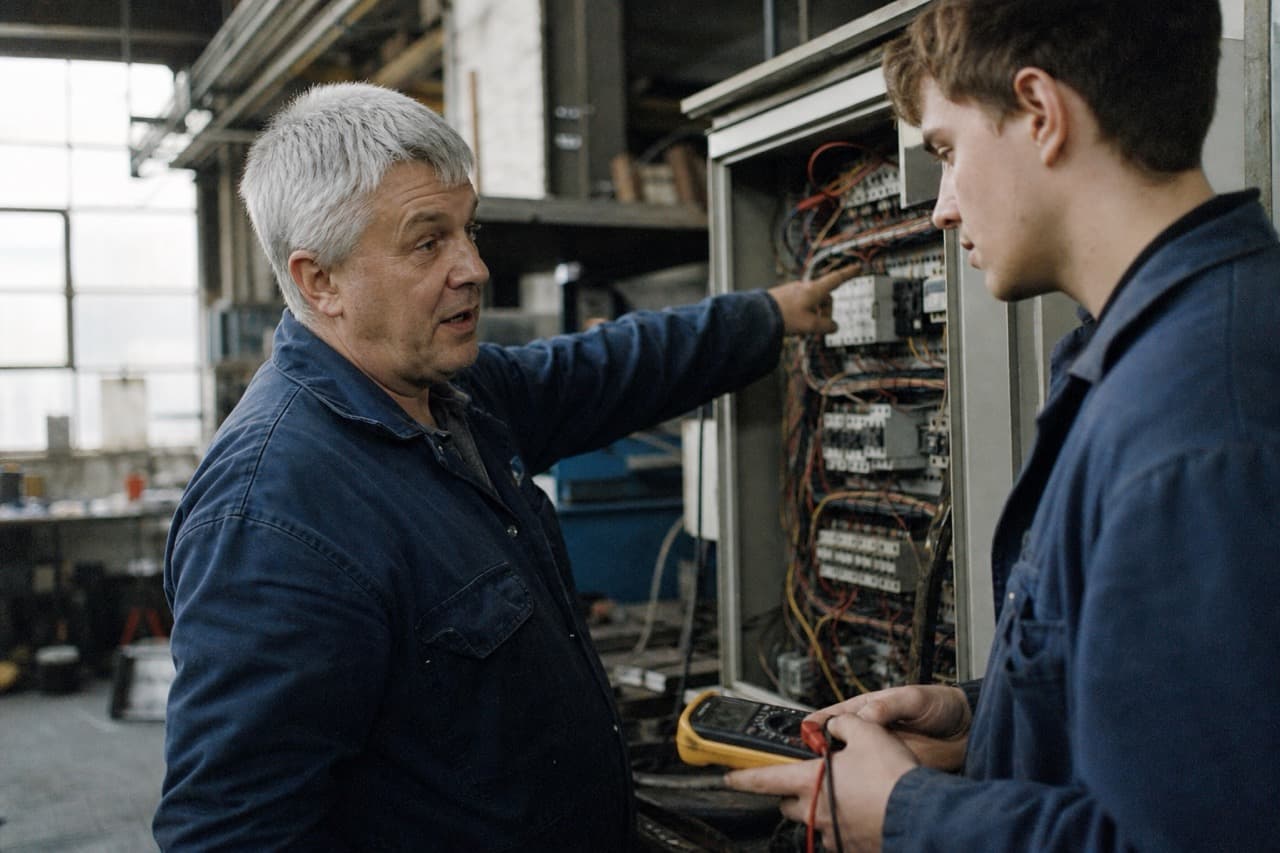
Put the same engineer beside the machine with an apprentice asking questions... and you might get twenty years of experience.
That's the difference. Experience often reveals itself when it's being used.
So rather than trying to extract thirty years of knowledge in one enormous exercise, I think businesses should do something much simpler.
Capture experience as it happens.
Start With the Questions Engineers Already Ask
One of the richest sources of engineering experience already exists inside most businesses: technical-support conversations.
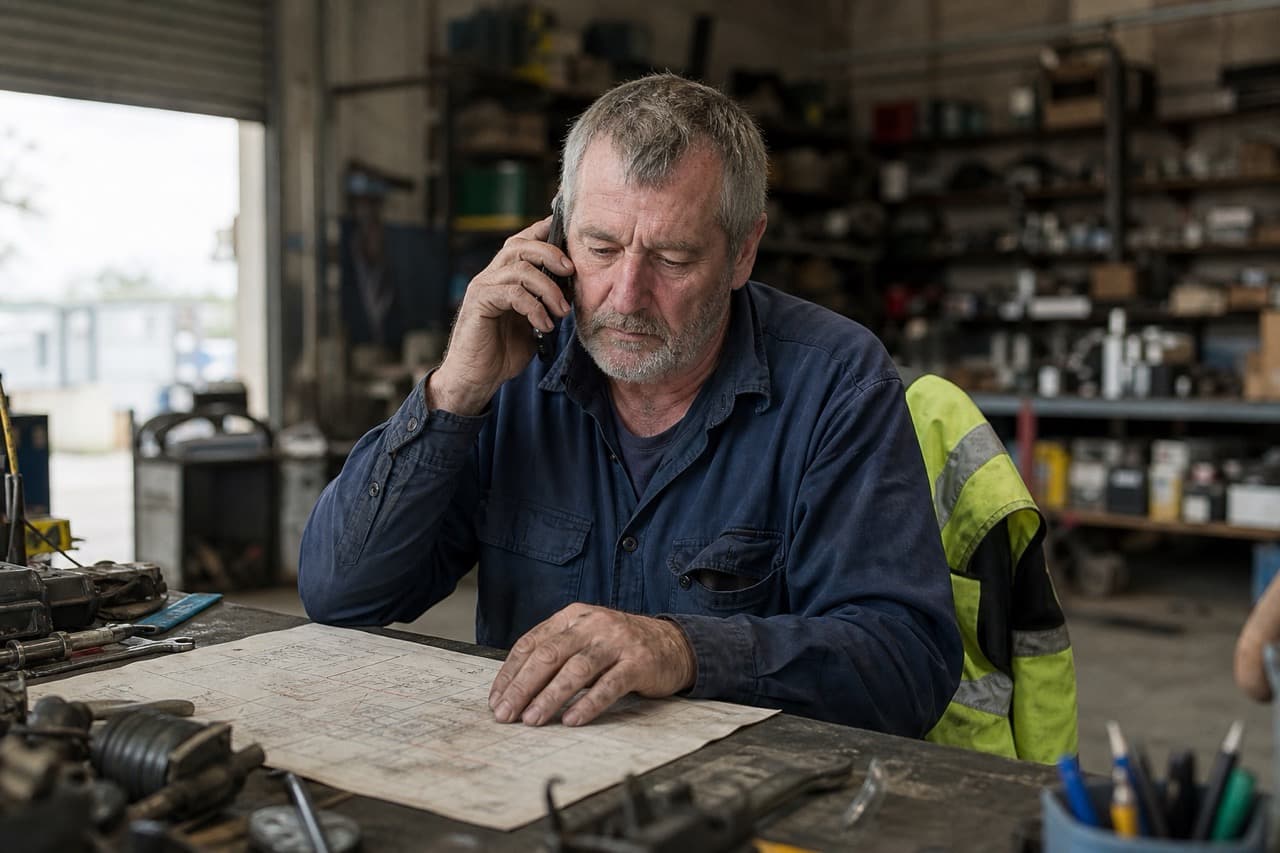
An engineer rings from site. "The machine is doing this. What do you think?"
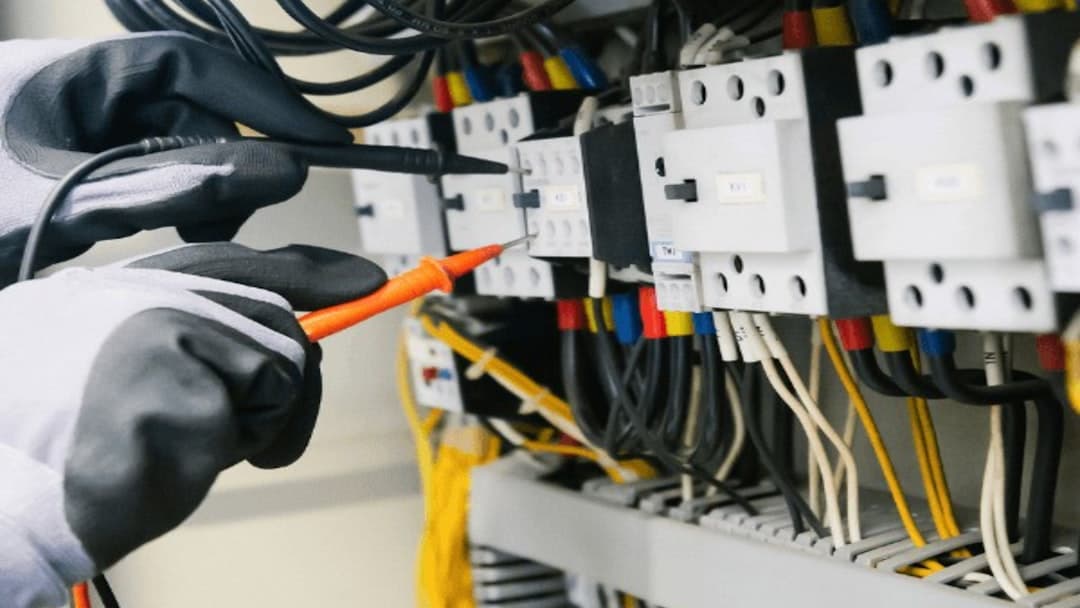
The experienced engineer listens and says: "Check that relay."
Five minutes later, the machine is working. Traditionally, that's where the conversation ends. Problem solved.
But something incredibly valuable just happened. The experienced engineer heard the same description as everyone else and recognised something.
So ask one more question.
"Why did you think it was the relay?"
That's where the experience is.
Perhaps they'd seen the same symptom before. Perhaps something in the engineer's description ruled out the motor. Perhaps that particular controller has a known behaviour. Perhaps thirty years of pattern recognition made one possibility feel more likely than the others.
The answer fixed today's machine. The reasoning might help fix the next hundred.
Change What Goes Into the Service Report
Engineering businesses already generate enormous amounts of documentation. Unfortunately, much of it says things like:
Attended site. Found faulty sensor. Replaced sensor. Tested OK.
That's useful operationally. But it preserves almost no experience.
Compare it with:
Door repeatedly reopening after closing. Customer reported fault began after display area was rearranged. Activation sensor found detecting movement from hanging signage. Signage repositioned and sensor retested. No component failure identified.
Now we've captured something reusable. The next engineer searching for a door that repeatedly opens may discover that environmental changes should be checked before components are replaced.
The difference is small. But repeated thousands of times, those small pieces of context become organisational knowledge.
Capture the Difficult Jobs
Not every service visit needs an essay. Concentrate on the unusual ones.
The fault that took three engineers to solve. The machine nobody had seen before. The intermittent problem. The unusual modification. The installation where the manual didn't quite match reality.
When one of those jobs is finally solved, don't simply celebrate and move on. Spend ten minutes asking:
- What happened?
- What did we initially think?
- What did we test?
- What turned out to be wrong?
- What led us towards the answer?
- What would we tell the next engineer who sees this?
That final question is particularly powerful. Because it turns today's frustration into tomorrow's experience.
Interview Machines, Not Engineers
If you sit an experienced engineer down and say "Tell me everything you know," you'll probably struggle.
Instead, give them something specific. An old controller. A particular model. A recurring fault. A wiring diagram. A customer site.
Then ask questions.
"What normally goes wrong with these?"
"Where would you look first?"
"What catches inexperienced engineers out?"
"What does the manual not tell you?"
"What modifications have you seen in the field?"
"What would you never do on one of these?"
Suddenly the stories start. One memory triggers another. And hidden inside those stories is often the judgement you've been trying to preserve.
Ask Apprentices to Help
There's another group I'd involve: your least experienced engineers.
That might sound backwards. But apprentices ask questions experienced engineers stopped asking years ago.
"Why did you test that first?"
"Why can't we use this sensor instead?"
"Why is that wired normally closed?"
"How did you know it wasn't the controller?"
Those questions expose assumptions. They force experienced engineers to explain thinking that has become automatic.
In that sense, the apprentice isn't simply receiving experience. They're helping uncover it.
Curiosity can be one of the best knowledge-capture tools a business has.
Preserve Mistakes Too
Businesses naturally like documenting successes. I'd document mistakes as well.
The component that was replaced unnecessarily. The diagnosis that sent everyone in the wrong direction. The installation detail that caused problems three years later. The temporary repair that should never have become permanent.
There's enormous value in knowing: "We tried this before. It didn't work. Here's why."
Otherwise another engineer eventually repeats the experiment.
Experience isn't only a record of what worked. It's also a record of what didn't.
Don't Wait for the Retirement Party
This may be the most important point.
Knowledge capture shouldn't begin when someone hands in their notice. By then, you're trying to compress a career into a few months.
Instead, make preservation part of normal engineering. Every difficult diagnosis. Every unusual service call. Every commissioning discovery. Every apprentice question. Every technical-support conversation.
One small lesson at a time.
After five years, you haven't created another folder full of documentation. You've created something much more valuable.
A record of how your organisation thinks.
Then Make It Accessible
Capturing knowledge is only half the problem. The other half is finding it again.
There's little value in preserving a brilliant troubleshooting note if the engineer standing beside the machine three years later doesn't know it exists.
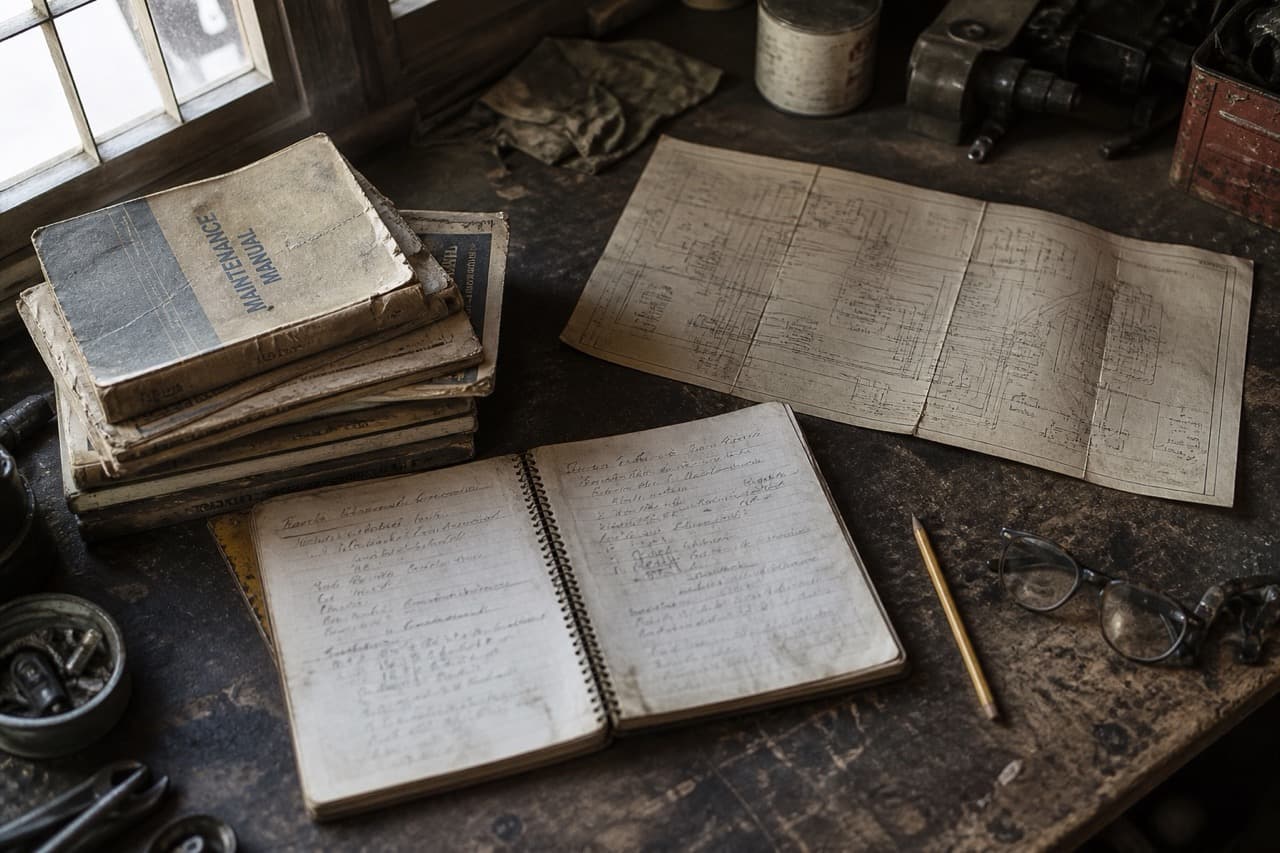
This has historically been one of the biggest limitations. Businesses accumulate manuals, PDFs, service reports, drawings, spreadsheets, emails, notes and training material.
The information exists. Access doesn't.
This is where artificial intelligence becomes genuinely useful. Not because it creates the engineering experience. People created that. AI can help connect it.
An engineer shouldn't necessarily need to know which folder contains the answer. They should be able to describe the problem they're facing and discover relevant information and previous experience.
That's the idea behind Tarin. Not artificial intelligence replacing engineering judgement. Artificial intelligence helping organisations remember what their engineers have already learned.
AI remembers. Engineers decide.
Start Tomorrow
If I were running an engineering business today and wanted to begin preserving experience, I wouldn't start with a huge knowledge-management project.
I'd start with one experienced engineer. One difficult job. And one question.
"Why did you do that?"
Record the answer. Then do it again tomorrow. And the day after.
Because you don't capture thirty years of engineering experience in one afternoon. You capture it one decision at a time.
Eventually those decisions become something bigger. Not just documentation. Not just information.
Engineering Memory.
A growing record of what your organisation has learned, why it learned it, and what the next engineer should know.
Your experienced engineers spent decades earning that knowledge. The least we can do is make sure the next generation doesn't have to earn all of it again.
If you'd like to see how Tarin could help your business capture experience as it happens, book a free call.
 Engineering Memory