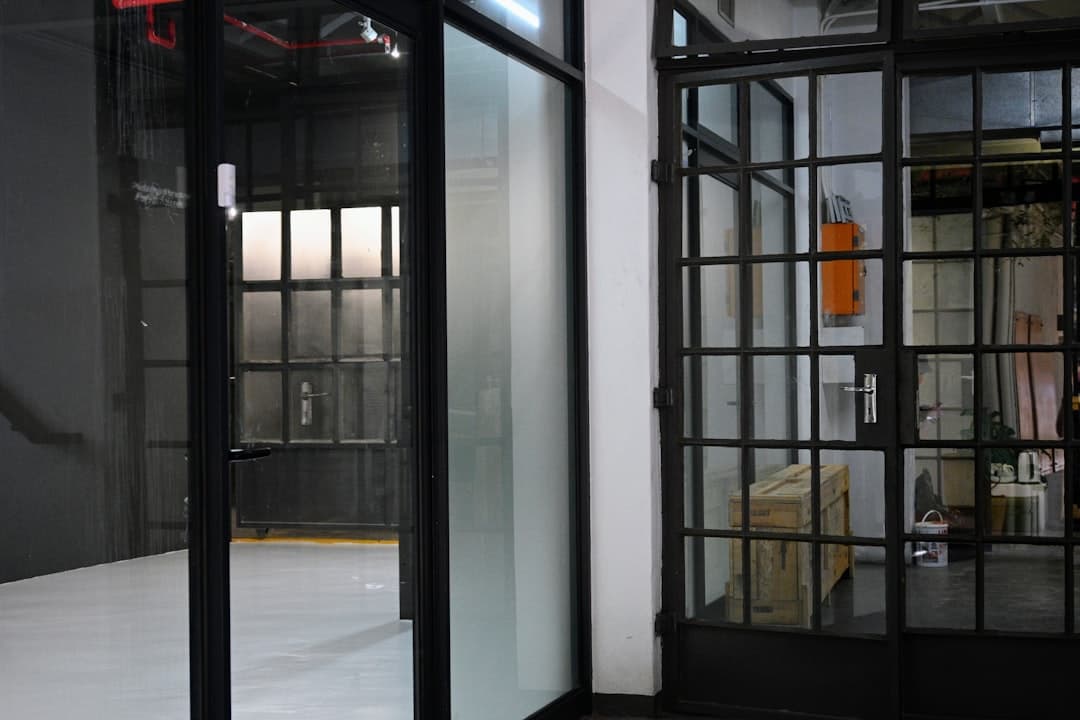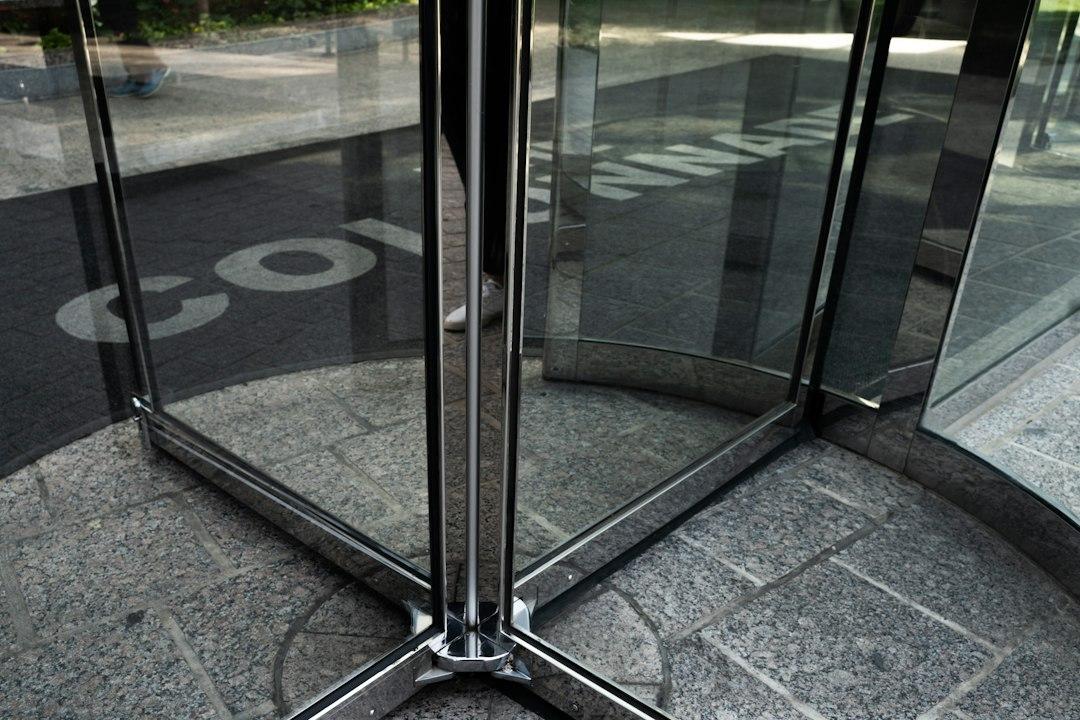
The challenge: customers recognise parts before they know their names
An installer may know where a component sits inside a door operator without knowing its catalogue name or part number. Similar-looking components and different product generations can make identification more difficult.
The project addresses that gap between recognising a physical component and finding the relevant product information online.
What we built
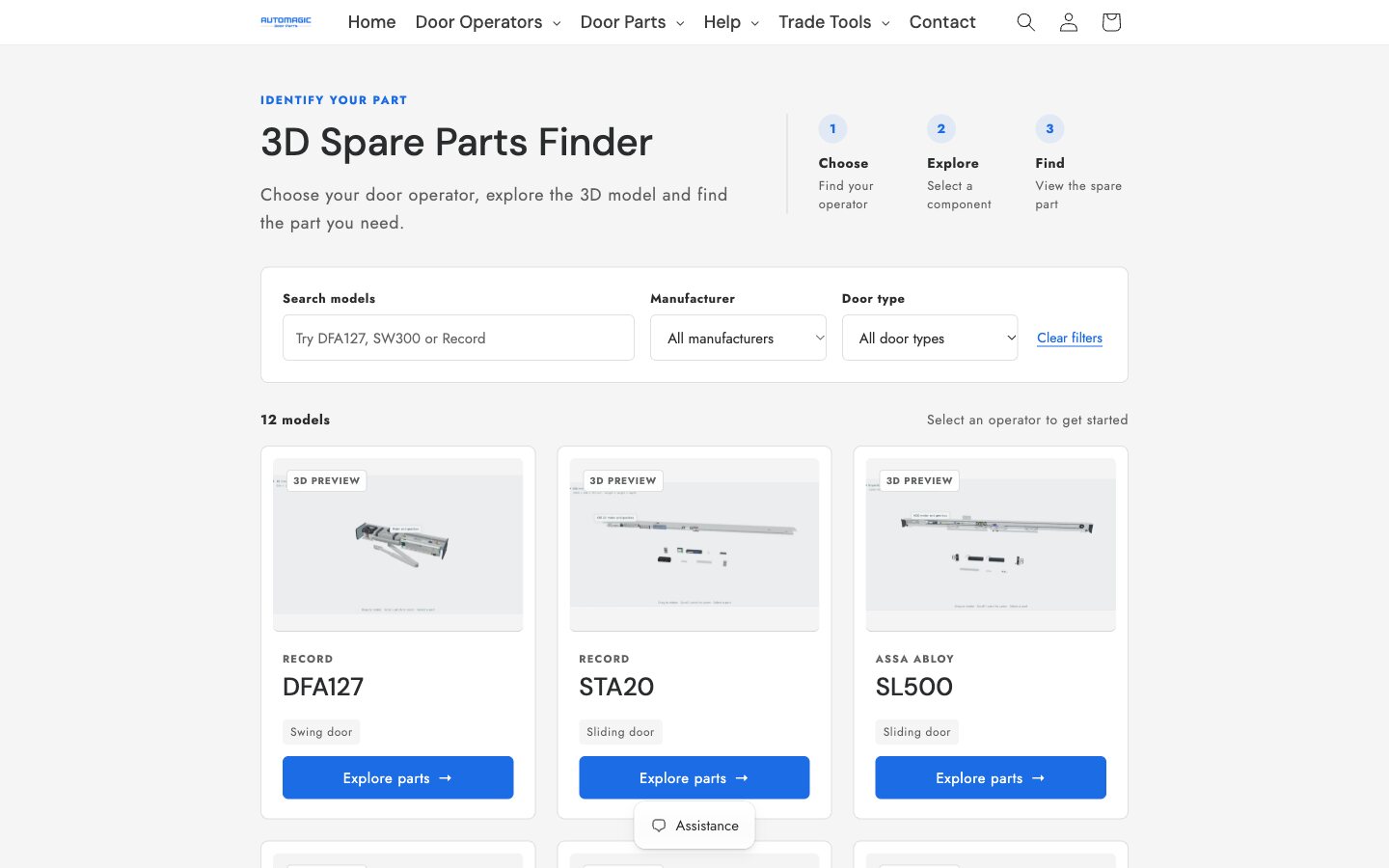
The parts finder begins with an operator catalogue that customers can search and filter by manufacturer and door type.
After selecting a model, users can open an interactive viewer, rotate and zoom the assembly, and select individual components to inspect their details and find the associated listing.
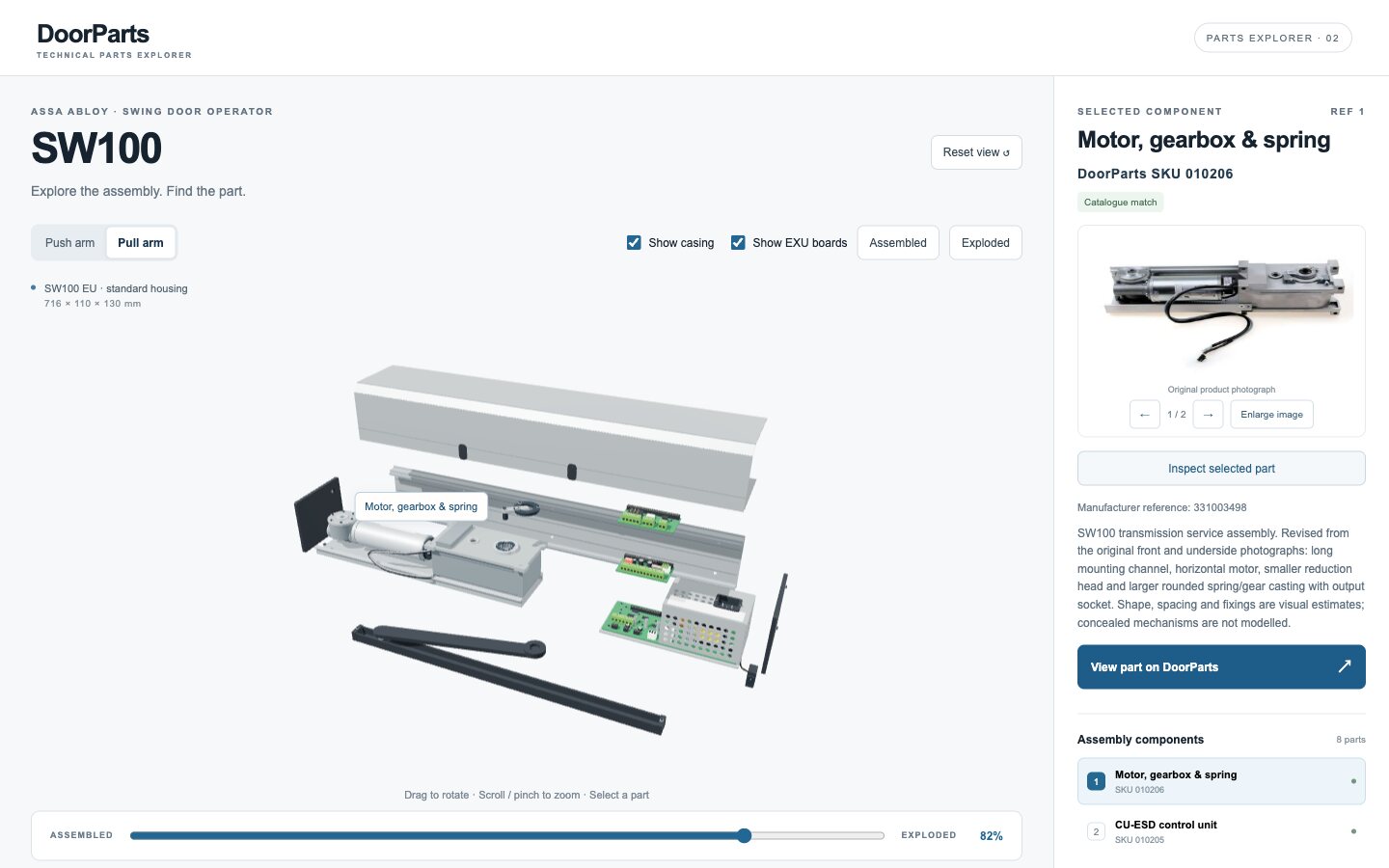
The preview also identifies components whose product listings are still pending. Compatibility guidance remains visible so customers understand that visual identification is part of the selection process.
Why the visual approach matters
The tool gives customers another route through a specialist catalogue when text search alone is insufficient. Someone who can recognise a component’s position or appearance can use that knowledge to investigate the part.
The intended benefits are easier self-service identification, more informed product enquiries and less reliance on describing unfamiliar components over the phone. The preview provides a basis for testing those benefits with users before making performance claims.
Could this work for your catalogue?
The same approach can support machinery, equipment and replacement-parts businesses where customers need to identify components within a larger assembly.